After 2 babies I decided to give myself an overhaul. While doing this it has made me think of the imprints we leave on our babies/children. One of the things that I have kicked off my overhaul with is joining a group training session.
Now, unlike most group sessions this one is targeted at mothers with babies/children and we all generally bring a baby/child (unless we are lucky enough for a loved one to take care of them).The trainer, Charlotte Hay from SOLMAMAS Slice of Life Fitness www.solfitness.com.au, understands what it is like being a mother and trying to squeeze in time for You. While we might be willing to find a sitter to go out to dinner every now and then, it’s not on a high priority to find yourself a sitter/carer on a weekly biases to look after your baby/child while you workout.
The last Friday in June is Red Nose Day in Australia. That’s today. Red Nose Day is all about promoting awareness of SIDS and how to prevent the sudden unexplained death of infants under 2 years old. SIDS (Sudden Infant Death Syndrome) is, by its very definition, a mysterious killer.
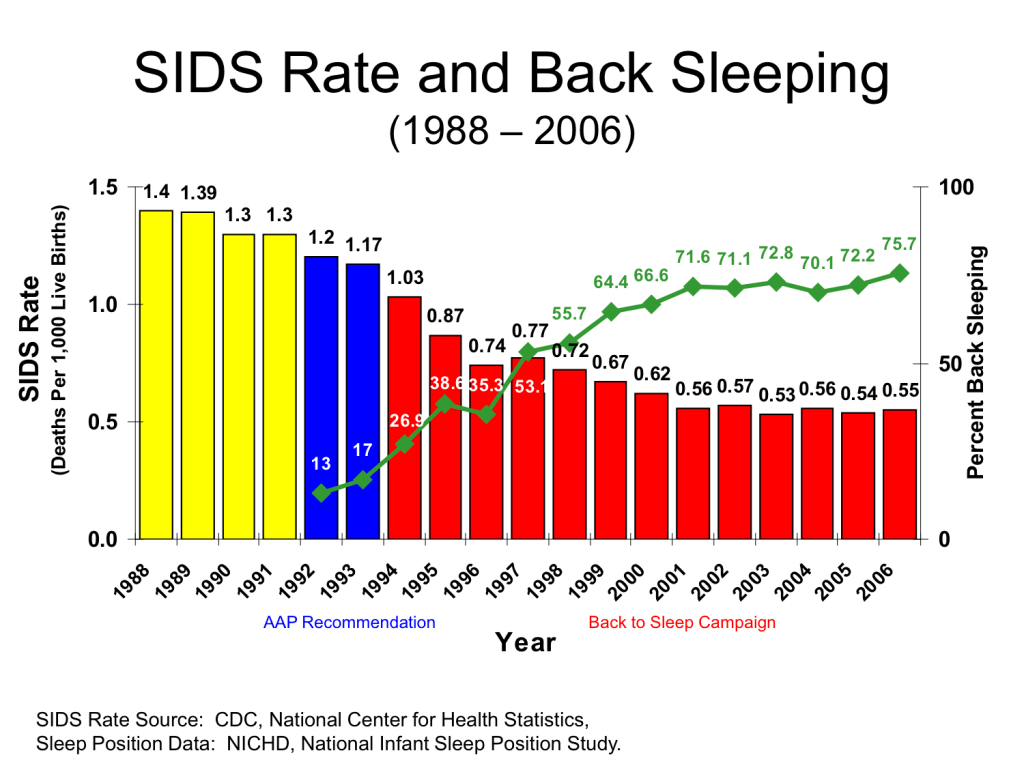
A plot of SIDS rate from 1988 to 2006 (Photo credit: Wikipedia)
Though we don’t have a perfect picture of why some babies die suddenly and seemingly without reason, we do know there are ways to lessen your risk factor. SIDS and Kids is an Australian organisation dedicated to saving the lives of babies and children during pregnancy, birth, infancy and childhood and to supporting bereaved families. Red Nose Day is their annual fundraising day and awareness campaign.
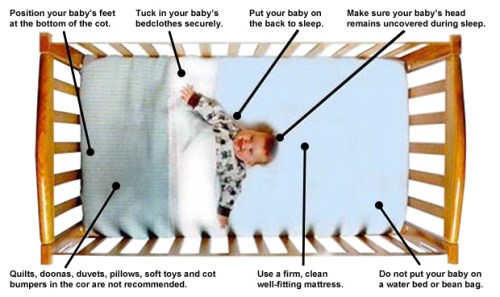
Guidelines from SIDS and Kids for safe sleeping in infants under 2
1. Sleep baby on the back from birth, not on the tummy or side
This year SIDS and Kids celebrates the 26th anniversary of the Red Nose Day awareness campaign. Funds raised from Red Nose Day have supported Australian families with education and support services and provided over $16m in funding for research into SIDS and Stillbirth.
The cause of SIDS is still unknown. Over 50% of stillbirths in Australia are also due to unknown causes. Through the Red Nose Day fundraising campaign SIDS and Kids are able to continue to work towards preventing Sudden Infant Death. You can buy Red Nose Day merchandise, get involved in community events, or just donate.
Where the money goes:
24 hour, 365 days a year crisis outreach and ongoing bereavement support for families and the community following the sudden and unexpected death of an infant or young child from 20 weeks gestation to 6 years.
The SIDS and Kids Safe Sleeping Program, an evidence-based health promotion campaign which offers practical advice to parents and health professionals about how to best reduce the risks of SIDS and sleep accidents.
Research into the causes and prevention of sudden and unexpected death in the perinatal period and infancy.
Before having children we thought we knew it all. We attended the antenatal classes to learn about labour, breastfeeding and how to generally care for our newborn baby. We left with a wealth of knowledge or so we thought.
At this stage I had set ideas on parenting. In regard to breastfeeding, I thought I would have no problem with it and therefore would breastfed our baby for the first year.
When our little girl was born these set ideas all went out the window.
After a terrible labour that lasted two days, my milk supply was fairly nonexistent and our daughter was practically starving.
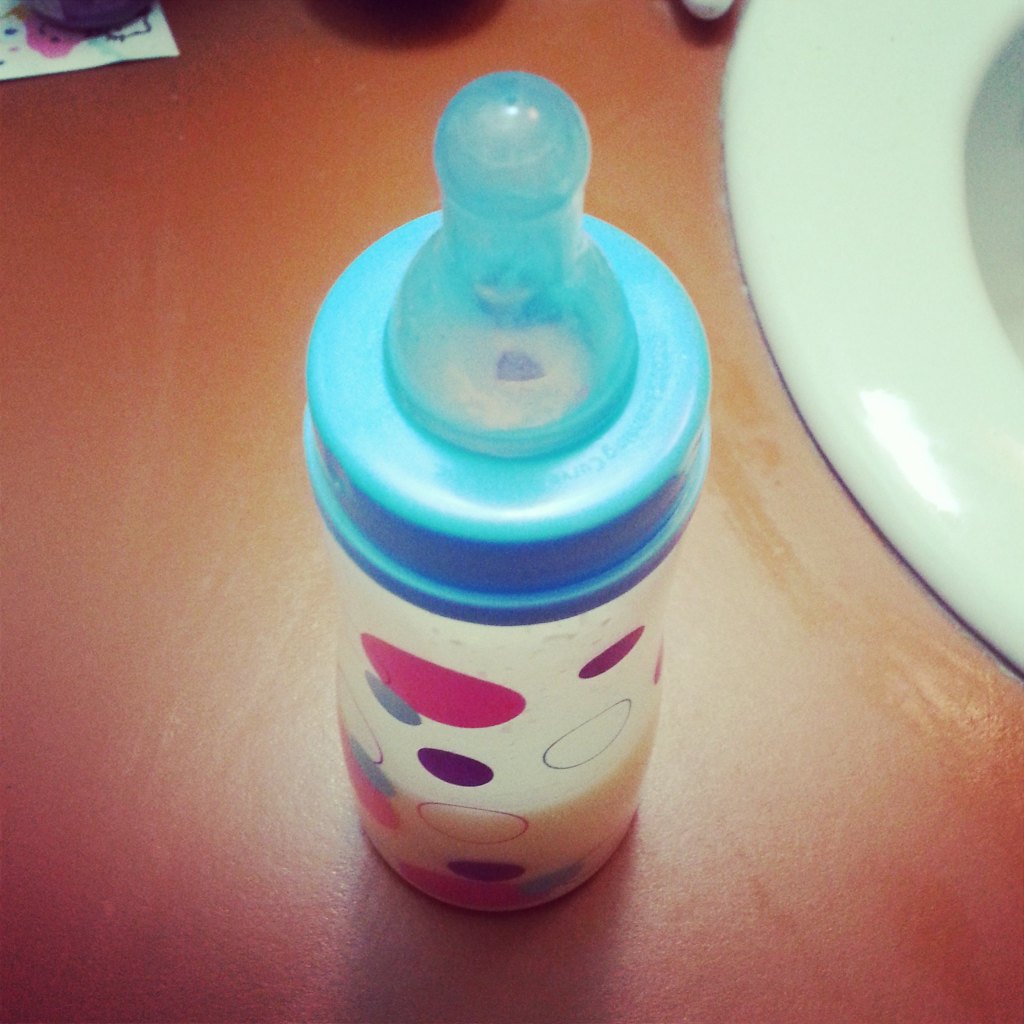
A lactation consultant told me I would need to supplement the breastfeeds with formula. I would also have to express after each feed to help my own supply.
This was a long process. In the early months of our daughter’s life I hardly slept. By the time I had breastfed her, bottle fed her and expressed it was time to start the whole process again.
This week’s guest post is from Charlie Wilson. I love reading her posts on Macaroni Mums, a place for “real, down-to-earth, bumbling-along-and-having-a-lot-of-fun mummies.”
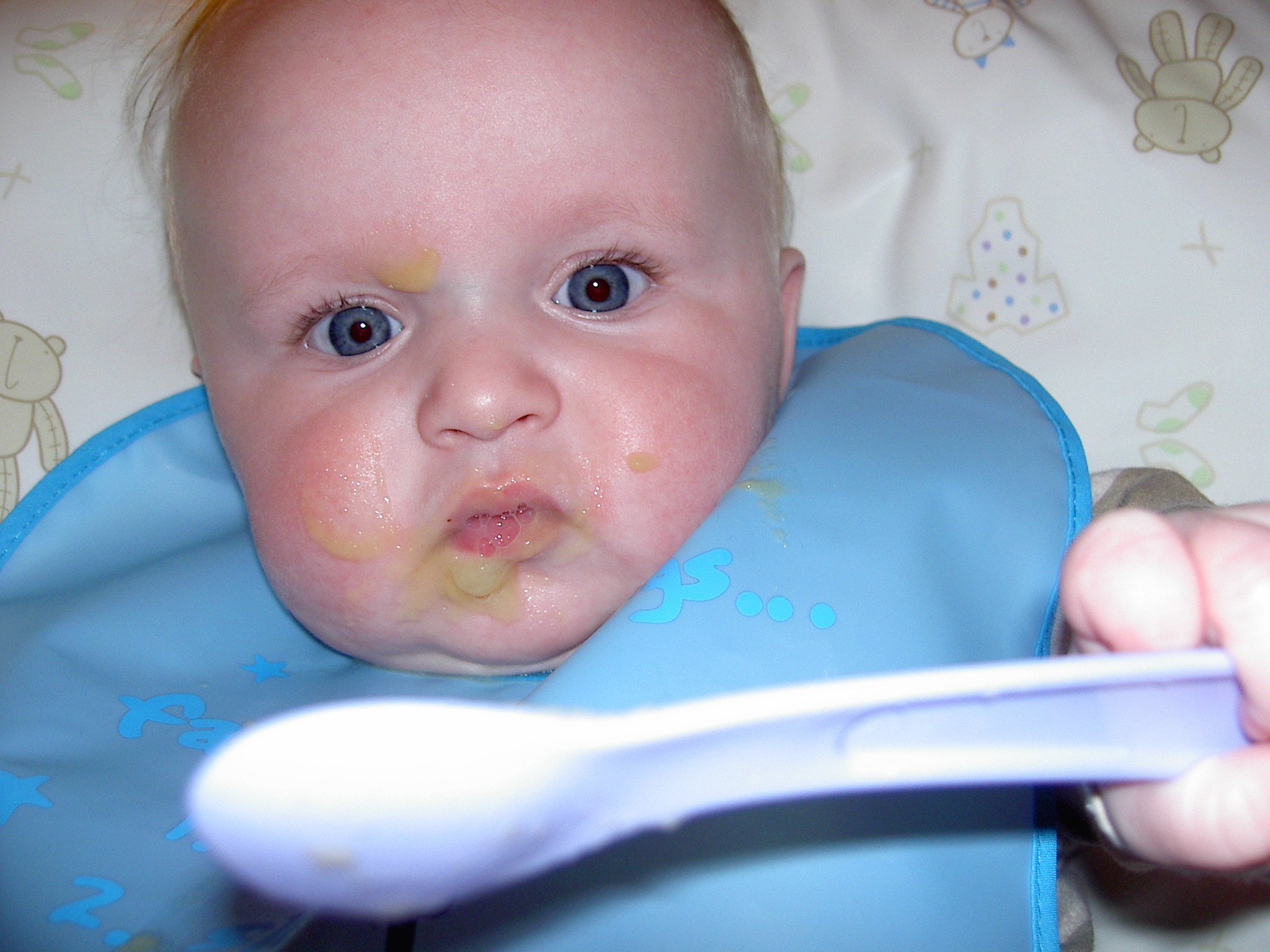
Weaning. Ah, the joy of carrot puree up the walls and your baby sending projectile missiles of mush right into your coaxing face. Weaning’s a really exciting stage in parenting – your little one’s expression as he experiences new flavours! – but it’s also a whole new world: What foods to offer? How much? When? What about milk feeds? And allergies? And choking? Parents in the throes of weaning can find themselves floundering and anxious and suffering from ‘spaghetti bolognaise aversion’. So here are some top tips for weaning to make the whole process much easier – and much more enjoyable:
1. Arm yourself with info.
Read one or two childcare books or baby websites that include guidance on weaning to establish the basics of how it works, such as which foods to avoid for the first year and how to transition from smooth-mush to lumpy-mush. Note the words ‘one or two’ in the last sentence – no need to become a weaning expert, which simply leads to obsessing over each detail of weaning.
Not so long ago the playpen was a very common and ordinary part of a young child’s life. Ask your own parents or grandparents and there’s a good chance they not only used one, but did so without spending much time pondering over its evils or benefits. The playpen was as ubiquitous as the pram or the highchair.
But today it is far less common to see a playpen. Those who do use them often joke uncomfortably about “locking” their baby away, to buffer against the criticism of others. Forums are littered with parents questioning their pros and cons and asking for advice about whether a playpen will help or harm their baby and their family. Many feel the playpen has become a sort of anti-status symbol, where parents who use one believe they are looked down upon by those who do not.
Why the playpen has fallen from favour.
There are various websites and forum comments that allude to studies that show babies placed in playpens experience developmental delay and suffer long term mental and physical harm. But no one seems to be able to point to any such studies and Alison Gopnik, professor of psychology at University of California-Berkeley and author of The Philosophical Baby, says she ” [doesn’t] know of any systematic research on this.” What seems most likely is that advice about the importance of allowing a baby to move and explore their environment has been applied by concerned parents to playpens, though not intended to specifically warn against their use in their entirety. Continue reading →







 NannySavvy